Home security has evolved dramatically, putting powerful protection tools directly into homeowners' hands. No longer must you rely solely on expensive professional monitoring services to keep your family and property safe. Modern DIY home security solutions offer sophisticated features that rival professional systems at a fraction of the cost, with the added benefit of complete control over your setup. Whether you're preparing your home for sale or simply wanting to enhance your family's safety, this guide explores the best DIY security options available in 2026.
Understanding Modern DIY Security Options
Today's DIY security landscape offers remarkable variety, from simple standalone devices to comprehensive smart home ecosystems. Understanding your options helps you create a security strategy tailored to your specific needs, property layout, and budget.
Wireless technology has revolutionized home security by eliminating the need for complex wiring installations. Modern systems use WiFi, cellular connections, or dedicated radio frequencies to communicate between devices. This wireless approach means virtually anyone can install a complete security system without professional help or extensive home modifications.
Smart home integration allows security devices to work together with other connected home products. Your security cameras can trigger lights, locks can communicate with your alarm system, and everything can be managed from a single smartphone app. This integration creates more effective security while simplifying daily use.
Self-monitoring options give homeowners direct control over their security without ongoing monthly fees. When sensors trigger, you receive instant smartphone notifications and can assess the situation through camera feeds. While professional monitoring remains available as an optional add-on, many homeowners find self-monitoring sufficient for their needs.
The DIY approach also provides flexibility that professional installations often lack. You can start with basic components and expand over time. If you move, take your system with you. When new technology emerges, upgrade individual components without replacing everything.
Essential Components of a DIY Security System
Building an effective DIY security system requires understanding the core components and how they work together. Each element serves a specific purpose in creating layered protection for your home.
Door and window sensors form the foundation of most security systems. These simple devices detect when entry points open, triggering alerts or alarms. Placing sensors on all exterior doors and accessible windows creates a perimeter detection network. Modern sensors are small, wireless, and easy to install with adhesive backing.
Motion detectors add another security layer by sensing movement within your home. Strategic placement in hallways, near valuable items, or covering large open areas catches intruders who might bypass entry point sensors. Pet-immune motion sensors prevent false alarms from household animals while still detecting human movement.
Glass break sensors complement door and window sensors by detecting the specific sound frequency of breaking glass. These devices protect against intruders who might break windows rather than opening them. A single glass break sensor can cover multiple windows in the same room.
A central hub or control panel ties your system together, processing signals from sensors and managing communications. This hub connects to your home network and the outside world, enabling smartphone control and notifications. Some systems use dedicated hardware hubs while others rely on software-based solutions running on existing devices.
Keypads or alternative entry methods allow you to arm and disarm your system. Traditional keypads remain popular, but many modern systems also accept smartphone commands, key fobs, or even voice control through smart home assistants. Multiple entry options ensure convenient access for all family members.
Smart Cameras for Complete Coverage
Security cameras provide visual monitoring that deters criminals and captures evidence if incidents occur. Modern smart cameras offer features that seemed impossible just years ago, all in affordable packages suitable for DIY installation.
Indoor cameras monitor interior spaces, providing peace of mind when you're away and serving as evidence if break-ins occur. Place these cameras in main living areas, near valuable items, and covering entry points. Many indoor cameras include two-way audio, allowing you to communicate with anyone in your home remotely.
Outdoor cameras withstand weather exposure while monitoring your property's exterior. Position these to cover entry points, driveways, backyards, and any areas hidden from street view. Look for cameras with good night vision capabilities since many incidents occur after dark.
Video doorbells have become essential security components, combining camera functionality with doorbell features. These devices show who's at your door before you answer, record package deliveries, and capture anyone approaching your entrance. Two-way communication lets you speak with visitors whether you're home or away.
Camera resolution matters for capturing useful footage. 1080p resolution remains the minimum standard for security cameras, with 2K and 4K options available for those wanting maximum detail. Higher resolution captures clearer faces and license plates but requires more storage space and bandwidth.
Local storage versus cloud storage presents an important choice. Cloud storage keeps recordings safe off-site but typically requires subscription fees. Local storage on SD cards or network-attached storage avoids monthly costs but risks losing footage if devices are stolen. Many homeowners opt for hybrid approaches using both methods.
Privacy considerations deserve attention when placing cameras. Avoid pointing cameras at neighbors' properties or public spaces where people have privacy expectations. Be aware of local laws regarding surveillance and audio recording. Informing guests about security cameras maintains trust and transparency.
Smart Locks and Access Control
Smart locks transform how you secure and access your home, eliminating many vulnerabilities associated with traditional keys while adding convenience features that simplify daily life.
Keypad locks allow entry using numeric codes, eliminating the need for physical keys that can be lost, copied, or stolen. Create unique codes for family members, house cleaners, or anyone else needing access. Time-limited codes can grant temporary access to guests or service providers, automatically expiring when no longer needed.
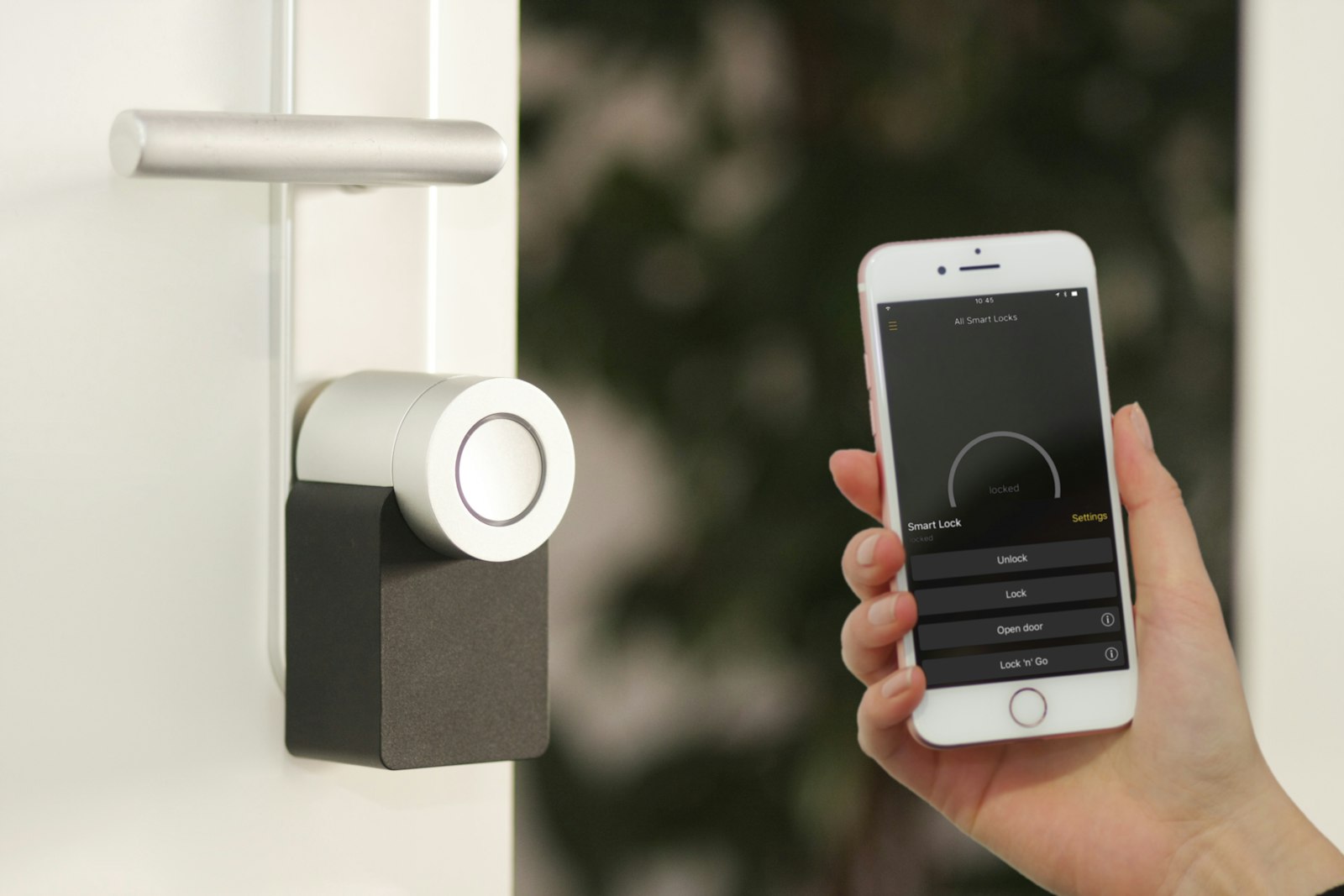
Smartphone-enabled locks provide keyless entry through dedicated apps. Unlock your door as you approach, check lock status from anywhere, and receive notifications when doors are locked or unlocked. Some smart locks even unlock automatically when they detect your phone nearby.
Integration with security systems allows locks to work as part of your broader security strategy. Locks can automatically engage when you arm your system and send alerts if doors are left unlocked. Automation rules might lock all doors at a specific time each night or when the last person leaves home.
Battery-powered smart locks install without electrical work, replacing existing deadbolts while using standard door hardware. Most run for months on battery power and send warnings when batteries run low. Keep spare batteries on hand to ensure continuous operation.
Choosing between replacing your entire deadbolt or adding smart features to existing hardware depends on your current locks and preferences. Retrofit solutions convert existing deadbolts to smart locks, often at lower cost than complete replacements. Full replacements offer more features and sleeker designs but require more installation effort.
Consider backup entry methods when selecting smart locks. What happens if batteries die or technology fails? Many smart locks retain physical key access as a backup. Others include alternative methods like code entry or portable battery packs for emergency power.
Lighting as a Security Strategy
Proper lighting ranks among the most effective and affordable security measures available. Criminals prefer darkness that conceals their activities, making well-lit properties less attractive targets.
Motion-activated outdoor lighting illuminates approaches to your home when movement is detected. Position these lights to cover all entry points, pathways, and dark areas where intruders might hide. The sudden illumination startles potential intruders while alerting you and neighbors to activity outside.
Smart bulbs and switches bring lighting into your security ecosystem. Schedule lights to turn on and off automatically, creating the appearance of occupancy when you're away. Vacation modes randomize lighting patterns to simulate natural activity. Control lights remotely to illuminate your home before arriving at night.
Pathway lighting enhances security while improving aesthetics and safety. Low-voltage landscape lighting illuminates walkways, making it difficult for anyone to approach unseen while preventing trips and falls for legitimate visitors.
Indoor lighting automation through smart switches or bulbs allows remote control and scheduling. Set lights to turn on automatically at sunset or when motion is detected inside. Program different scenes for various situations, including a "away" mode that cycles lights throughout your home.
Consider light placement and intensity carefully. Harsh lighting can create deep shadows that actually help conceal intruders. Balanced, overlapping illumination from multiple sources provides better security than single bright lights with dark areas between them.
Alarm Systems and Monitoring Options
Alarm systems add audible and visual alerts to your security setup, notifying you and potentially scaring off intruders when breaches occur. Modern DIY options provide flexibility in how these systems function and who monitors them.
Siren components produce loud alerts when your system triggers. Indoor sirens alert occupants to problems while outdoor sirens draw attention and may scare off intruders. Some systems include both, with adjustable volume levels and alarm duration settings.
Self-monitoring puts you in control of responding to alerts. Your smartphone receives instant notifications when sensors trigger, allowing you to assess the situation through camera feeds and take appropriate action. This approach avoids monthly monitoring fees while keeping you informed of any security events.
Professional monitoring services watch your system around the clock, dispatching emergency services when appropriate. This option provides peace of mind, especially for those who may not always be able to respond to alerts quickly. Monthly fees for professional monitoring typically range from ten to thirty dollars.
Hybrid approaches combine self-monitoring with on-demand professional backup. Some services offer professional monitoring activation as needed, such as when traveling, without requiring ongoing subscriptions. Others provide professional response only for specific events like smoke or CO detection while leaving intrusion monitoring to you.
Consider response time when evaluating monitoring options. Self-monitoring means you're responsible for contacting authorities, which works well if you're attentive and available. Professional monitoring ensures consistent response regardless of your availability but adds delays between detection and your personal awareness.
Environmental Monitoring and Safety Sensors
Home security extends beyond intrusion detection to include environmental hazards that threaten your property and family. Modern smart sensors detect various dangers and integrate with your broader security ecosystem.
Smoke and carbon monoxide detectors have evolved into smart devices that send smartphone alerts alongside traditional audible alarms. Connected detectors can tell you exactly which room detected a problem, even when you're away. Some integrate with lighting systems to illuminate escape routes during emergencies.
Water leak sensors protect against flooding damage from burst pipes, failed appliances, or other water intrusions. Place these sensors near water heaters, washing machines, under sinks, and in basements. Early detection prevents minor leaks from becoming major disasters, potentially saving thousands in repair costs.
Temperature monitoring alerts you to dangerous conditions that could indicate HVAC failure, frozen pipes, or other problems. This proves especially valuable for vacation homes or during extended travel. Some sensors also track humidity, which affects both comfort and potential for mold growth.
Integration with smart home systems allows automated responses to environmental alerts. Water detection might automatically shut off your main water supply through a connected valve. Temperature drops could trigger heating system adjustments before pipes freeze. These automations provide protection even when you can't respond immediately.
Installation Tips for DIY Success
Successful DIY security installation requires planning, patience, and attention to detail. Following best practices ensures your system functions reliably and provides the protection you expect.
Start with a security assessment of your property. Walk around your home, identifying potential entry points, vulnerable areas, and locations where cameras would provide the most useful coverage. Consider how an intruder might approach and what would deter or detect them at each stage.
Plan your system layout before purchasing equipment. Determine how many sensors, cameras, and other components you need. Check that your WiFi network reaches all planned device locations or plan for range extenders. Consider how you'll power devices in various locations.
Follow manufacturer instructions carefully during installation. Each device has specific requirements for optimal performance. Sensor placement heights, camera angles, and mounting methods all affect effectiveness. Taking shortcuts during installation often creates problems later.
Test everything thoroughly after installation. Trigger each sensor to verify proper function and app notification. Walk through camera coverage areas to identify blind spots. Arm and disarm your system using each available method. Testing reveals problems you can fix before relying on your system for protection.
Maintain your system over time through regular testing, battery replacement, and software updates. Security systems require ongoing attention to remain effective. Schedule monthly tests and address any issues promptly. Firmware updates often add features and fix security vulnerabilities in the devices themselves.
Building a Complete Security Strategy
Technology alone doesn't create true security. Effective home protection combines DIY security devices with smart practices and community awareness.
Physical security measures complement electronic systems. Solid doors, quality locks, reinforced strike plates, and secured windows make physical entry more difficult regardless of what technology you deploy. Don't neglect these fundamentals while focusing on smart devices.
Community relationships enhance security through mutual awareness. Neighbors who know each other watch out for unusual activity and can collect packages when you're away. Consider joining or starting a neighborhood watch program to formalize these relationships.
Personal habits affect security outcomes significantly. Locking doors consistently, not advertising absences on social media, varying your routines, and being aware of your surroundings all reduce risk. The best security system can't protect you from careless behavior.
Review and update your security strategy regularly. As your circumstances change, so do your security needs. Annual assessments help identify new vulnerabilities and opportunities for improvement. Technology advances quickly, and newer devices may offer significantly better protection than what you currently have.
DIY home security puts powerful protection tools within reach of every homeowner. By understanding available options, selecting appropriate components, and implementing them thoughtfully, you create a security ecosystem tailored to your specific needs. The peace of mind that comes from knowing your home and family are protected makes the investment of time and money well worthwhile.
March 12, 2026
18 min read
Topfind Realty, DRE # 02240815, is a licensed real estate broker in California. Topfind Realty pledges to support the Fair Housing Act and adhere to Equal Housing Opportunity laws.