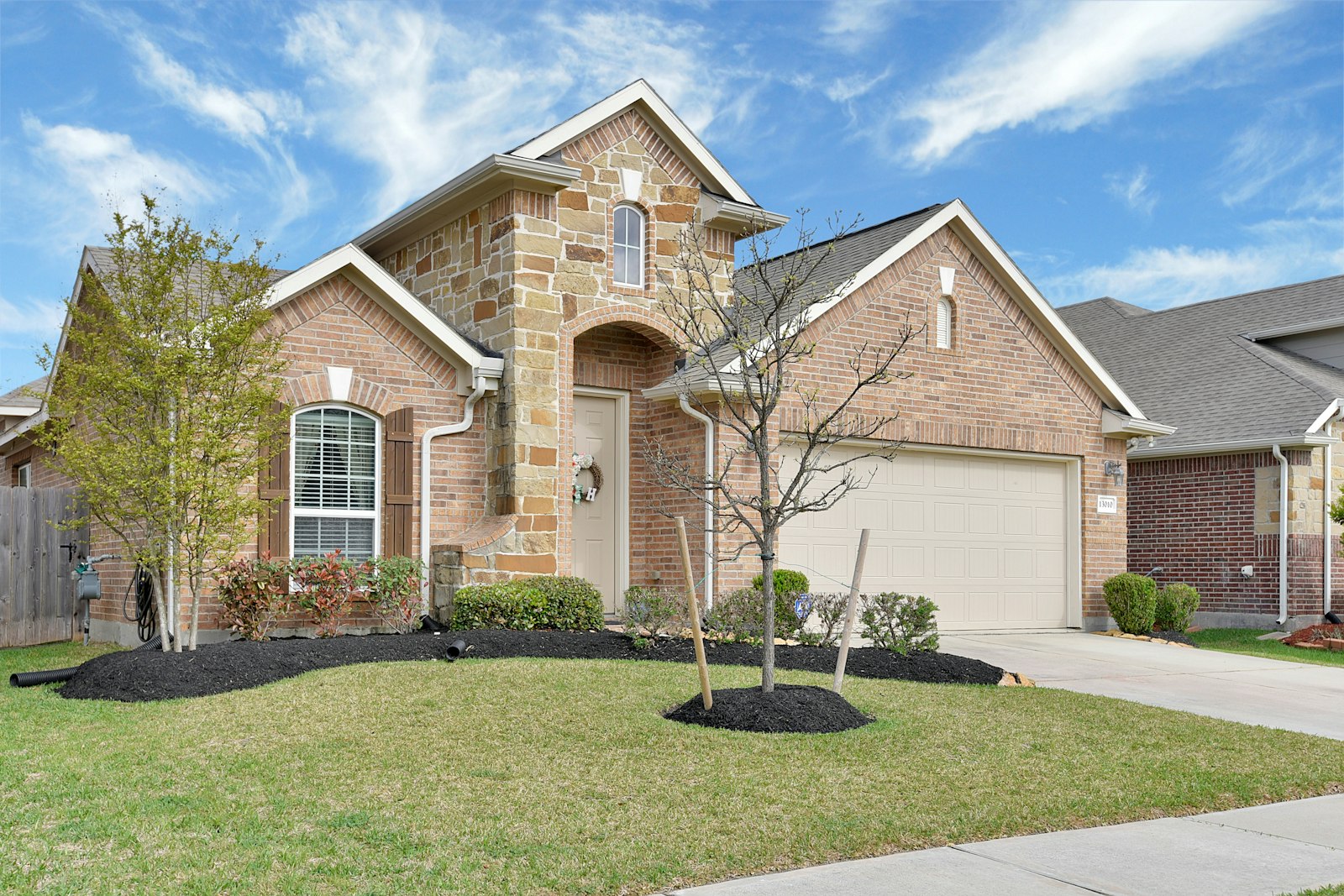
Why Homeowners Are Becoming Landlords in 2026
Converting your home into a rental property has become an increasingly attractive option for homeowners in 2026. Whether you're relocating for work, upgrading to a larger home, or seeking additional income streams, renting out your property can provide financial benefits while building long-term wealth. Understanding the process thoroughly before taking the leap helps ensure your landlord experience succeeds.
The rental market in 2026 remains robust in many areas, with demand continuing to outpace supply. Rising home prices have kept many potential buyers in the rental market longer, creating opportunities for property owners. Additionally, remote work trends have shifted rental demand patterns, with some suburban and secondary markets experiencing particularly strong tenant interest.
Evaluating Whether Renting Makes Financial Sense
Before committing to becoming a landlord, analyze the numbers carefully. Calculate potential rental income by researching comparable properties in your area. Online rental platforms, local property management companies, and real estate agents can provide data on current market rents for homes similar to yours.
Compare projected income against your expenses, including mortgage payments, property taxes, insurance, HOA fees, maintenance reserves, and potential property management costs. A common guideline suggests rental income should exceed expenses by enough margin to account for vacancies, typically estimated at one month per year, and unexpected repairs.
Consider the tax implications as well. Rental income is taxable, but you can deduct many expenses including mortgage interest, property taxes, insurance, maintenance costs, and depreciation. Consulting with a tax professional before converting your home helps you understand the financial picture and plan accordingly. Some homeowners discover that tax benefits significantly improve their rental property returns.
Legal Requirements and Landlord Responsibilities
Becoming a landlord involves legal obligations that vary by location. Research local landlord-tenant laws governing your area, including requirements for security deposits, notice periods, lease terms, and eviction procedures. Many cities and counties have specific regulations beyond state law, making local research essential.
Most jurisdictions require rental properties to meet habitability standards. These typically include functioning heating and cooling systems, adequate plumbing, electrical safety, structural soundness, and freedom from pest infestations. Before renting, inspect your property thoroughly and address any issues that might violate these standards.
You may need specific licenses or permits to operate as a landlord. Some cities require rental property registration or business licenses. Homeowner associations often have rules about rentals, sometimes limiting the percentage of units that can be rented or requiring approval of tenants. Review all applicable requirements before listing your property.