First-time homebuyers often focus on purchase price and monthly mortgage payments while overlooking numerous additional costs that significantly impact their housing budgets. These hidden expenses can transform an affordable-seeming home into a financial stretch. Understanding the full cost of homeownership before you buy prevents budget surprises and helps you make truly informed decisions.
Beyond the Purchase Price
The purchase price represents only the starting point of homeownership costs. Numerous additional expenses begin before you even close on the property and continue throughout your ownership. Budgeting for these costs ensures financial preparedness for the realities of owning a home.
Too many buyers stretch to afford homes at the top of their mortgage qualification, leaving no room for expenses beyond principal and interest payments. This overextension leads to financial stress, deferred maintenance, and sometimes foreclosure. Understanding total costs enables smarter purchase decisions.
Building a comprehensive budget before you start house hunting sets appropriate search parameters. Rather than discovering affordability limits after finding a dream home, start with full-cost awareness that guides your search toward truly affordable properties.
Closing Costs That Catch Buyers Off Guard
Closing costs encompass numerous fees charged by various parties involved in your home purchase transaction. These costs typically range from 2% to 5% of the purchase price and must be paid at closing in addition to your down payment.
Loan origination fees compensate lenders for processing your mortgage application. These fees vary between lenders and are sometimes negotiable. Shop multiple lenders and compare complete cost pictures, not just interest rates.
Appraisal fees cover professional assessment of the property's value. Lenders require appraisals to confirm the home's worth justifies the loan amount. Expect to pay $400 to $700 depending on property size and complexity.
Title search and insurance fees protect against ownership disputes. Title companies research property history to verify clear ownership while insurance covers undiscovered issues. These costs typically run $1,000 to $4,000 depending on purchase price and location.
Attorney fees apply in states requiring legal representation for closings. Even where optional, attorney review of complex purchases provides valuable protection. Budget $500 to $1,500 for legal services.
Prepaid items at closing often include property taxes, homeowners insurance, and mortgage interest through the end of the closing month. These prepayments establish escrow accounts and ensure coverage is in place. Depending on timing, prepaids can add thousands to closing requirements.
Ongoing Monthly Expenses Beyond Your Mortgage
Your monthly mortgage payment covers principal and interest, but your actual housing costs include several additional recurring expenses that many buyers underestimate.
Property taxes fund local services including schools, roads, and emergency services. Tax rates vary dramatically by location, from under 0.5% to over 2% of assessed value annually. On a $400,000 home, this means anywhere from $2,000 to $8,000 or more per year. Research actual tax rates in your target areas before assuming taxes are modest.
Homeowners insurance protects your property and possessions against covered perils. Basic coverage costs vary by location, home value, and risk factors. Climate risk adjustments have driven premiums significantly higher in many areas. Expect to pay $1,200 to $3,000 or more annually for standard coverage.
Private mortgage insurance applies when your down payment is less than 20%. PMI typically costs 0.5% to 1% of the loan amount annually, adding $200 to $400 monthly on a $400,000 loan. This cost continues until you reach 20% equity.
HOA fees apply in many communities, covering shared amenities and common area maintenance. Fees range from $100 to $500 or more monthly depending on community type and amenities. Review HOA budgets carefully for potential special assessments.
Utilities typically cost more in houses than apartments. Larger spaces require more heating and cooling. Some utilities previously included in rent become separate expenses. Budget $200 to $500 monthly for utilities depending on home size and local rates.
Maintenance and Repair Realities
Homeownership transfers maintenance responsibility from landlords to you. Repairs and upkeep create ongoing expenses that many buyers fail to anticipate adequately.
The standard guideline suggests budgeting 1% to 2% of your home's value annually for maintenance and repairs. On a $400,000 home, that means $4,000 to $8,000 per year. Older homes and those with deferred maintenance typically require more.
Regular maintenance prevents small problems from becoming expensive repairs. HVAC systems need annual servicing. Gutters require cleaning. Filters need replacement. Neglecting routine maintenance accelerates deterioration and increases long-term costs.
Major systems eventually require replacement. Roofs last 20 to 30 years. HVAC systems last 15 to 20 years. Water heaters last 10 to 15 years. Understanding remaining useful life of major systems helps you anticipate large expenses and budget accordingly.
Emergency repairs happen without warning. Pipes burst, appliances fail, and storms cause damage. Having emergency reserves specifically for home repairs prevents these surprises from becoming financial crises.
Landscape and Exterior Maintenance
If you're moving from an apartment, you may not have experience with exterior maintenance responsibilities. These costs add up quickly, especially in the first year of ownership.
Lawn care requires either your time or your money. Equipment purchases including mowers, trimmers, and tools require upfront investment. Professional lawn services typically charge $100 to $300 monthly depending on lot size and service scope.
Tree and shrub maintenance keeps landscaping healthy and prevents problems. Overgrown trees near houses can damage roofs and foundations. Professional tree trimming costs hundreds to thousands depending on scope.
Seasonal preparation varies by climate. Cold climates require winterization, snow removal equipment, or plowing services. Hot climates demand irrigation and heat-related plant care. Budget for climate-specific maintenance needs.
Exterior cleaning and maintenance preserves appearance and prevents deterioration. Power washing, exterior painting, and deck maintenance all require periodic attention. These tasks cost money whether you hire them done or invest in equipment and time.
Furniture, Furnishings, and Move-In Costs
Moving into a larger space typically triggers furnishing expenses that many buyers underestimate. Empty rooms need furniture. New windows need treatments. Larger spaces require more of everything.
Moving costs vary dramatically based on distance and belongings volume. Local moves might cost $500 to $2,000 for professional movers. Long-distance moves can run $5,000 to $10,000 or more. DIY moves save money but cost time and energy.
Furniture purchases often accompany moves to larger spaces. Existing furniture may not fit new rooms or match new aesthetics. Budget realistically for furnishing needs rather than assuming existing belongings will suffice.
Window treatments represent a commonly overlooked expense. Blinds or curtains for an entire house cost hundreds to thousands depending on quality and window count. Previous owners often take their window treatments with them.
Appliances may or may not convey with the house. Even when included, older appliances may need near-term replacement. Refrigerators, washers, dryers, and other appliances add up quickly when purchasing multiples.
The Opportunity Costs of Homeownership
Money tied up in home ownership cannot be deployed elsewhere. Understanding these opportunity costs provides complete picture of homeownership economics.
Your down payment represents capital that could otherwise be invested. The return differential between home equity growth and alternative investments affects your total financial picture. This doesn't mean you shouldn't buy, but recognize what you're choosing.
Time spent on home maintenance and improvement represents hours unavailable for other pursuits. Whether that time has monetary value through alternative work or personal value through other activities, it's a real cost of homeownership.
Reduced flexibility comes with property ownership. Selling a home to relocate for opportunities takes time and costs money. Renters can move with 30 days notice. Homeowners face months of marketing, selling, and moving. This reduced flexibility has economic implications.
Creating Your Complete Housing Budget
Building a comprehensive budget before house hunting prevents financial surprises and ensures sustainable homeownership.
Start with your monthly income and existing obligations. Subtract current debt payments, savings goals, and essential expenses. What remains represents your available housing budget, which must cover all housing costs, not just mortgage payments.
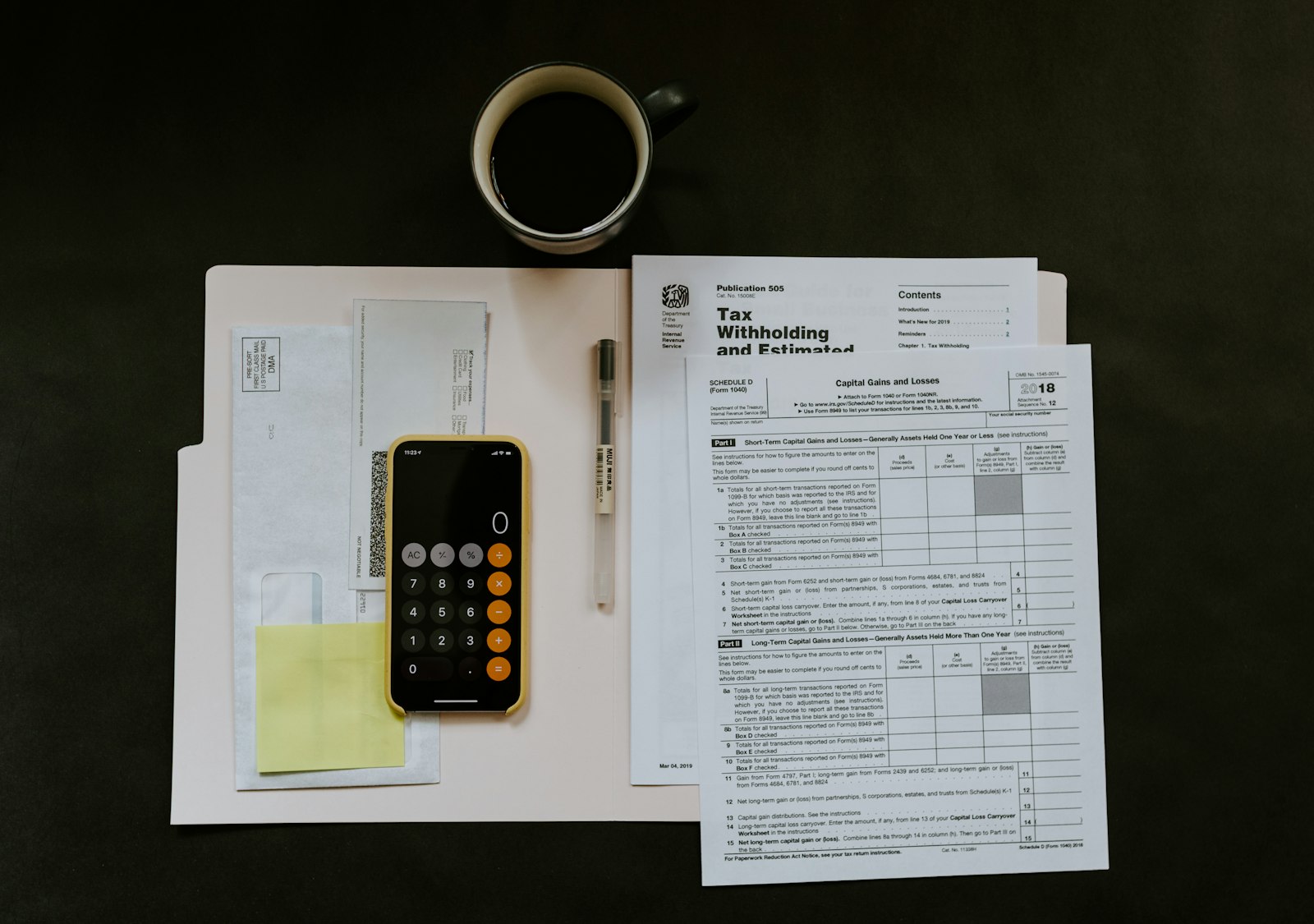
Calculate total monthly housing costs including mortgage principal and interest, property taxes, homeowners insurance, PMI if applicable, HOA fees, utilities, and maintenance reserves. Compare this total to your available budget rather than just comparing mortgage payments.
Set aside separate reserves for move-in costs, immediate repairs and improvements, and ongoing emergency repairs. These savings prevent debt accumulation when inevitable expenses arise.
Work backward from your complete budget to determine a realistic purchase price. This approach ensures you buy what you can truly afford rather than stretching for properties that create ongoing financial stress.
Hidden costs don't have to catch you off guard. Understanding the full expense picture before you buy enables confident decision-making and sustainable homeownership. Budget comprehensively, buy conservatively, and enjoy your home without financial anxiety.
8 min read
Topfind Realty, DRE # 02240815, is a licensed real estate broker in California. Topfind Realty pledges to support the Fair Housing Act and adhere to Equal Housing Opportunity laws.