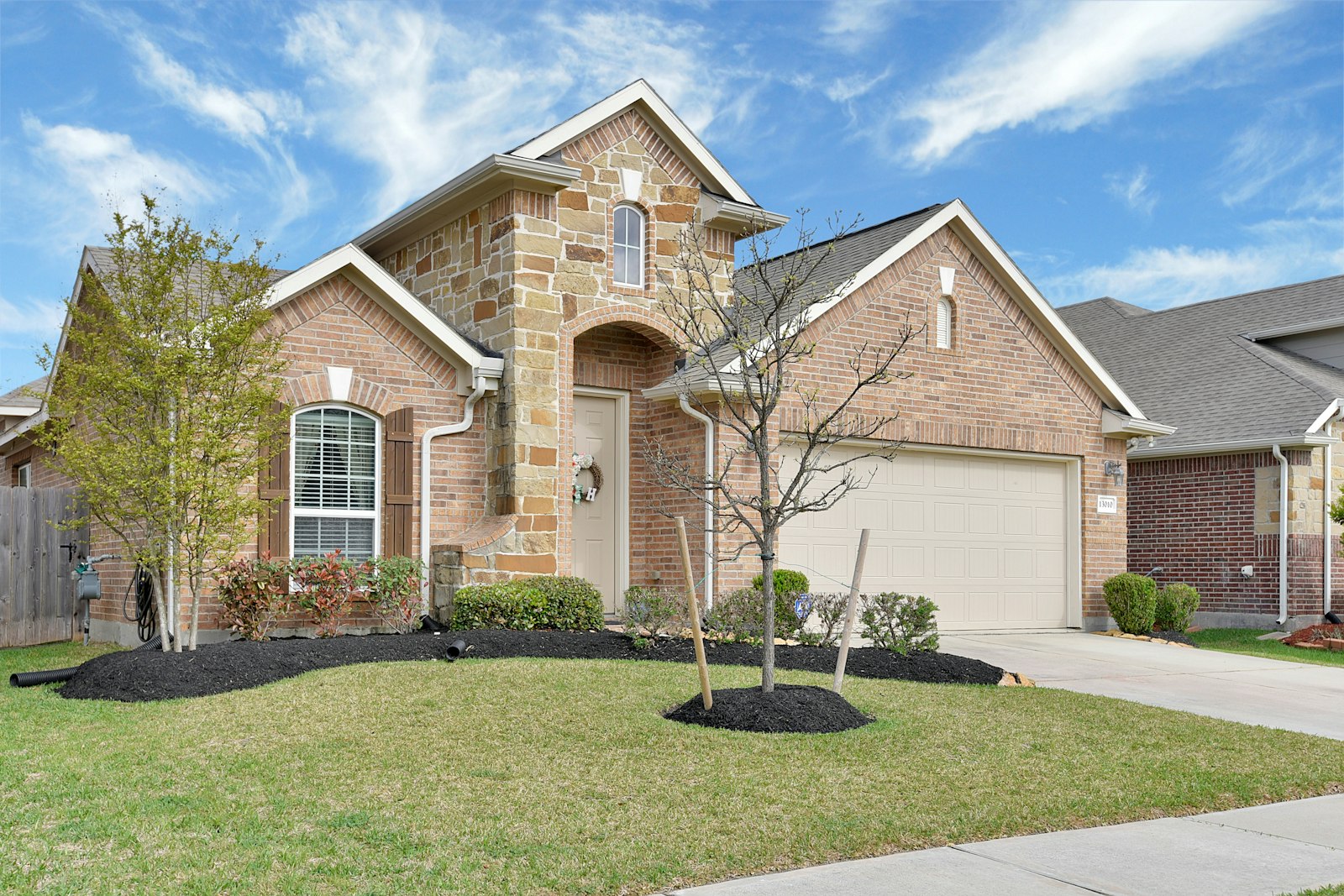
Understanding the Foreclosure Investment Opportunity
Foreclosure properties have long attracted real estate investors seeking below-market purchases with profit potential. When homeowners default on mortgages, lenders eventually repossess and sell these properties, often at discounts reflecting their desire for quick sales. Understanding how this market works in 2026 helps you identify opportunities while avoiding common pitfalls.
The foreclosure market has evolved significantly over the years, becoming more competitive and requiring greater sophistication from investors. While deals still exist, finding and executing profitable foreclosure investments demands preparation, capital, and realistic expectations about the process.
Types of Foreclosure Opportunities
Foreclosure investments occur at different stages of the default process, each offering distinct characteristics. Understanding these stages helps you focus your efforts on opportunities matching your resources and risk tolerance.
Pre-foreclosure represents the period after a homeowner defaults but before the lender completes foreclosure proceedings. During this stage, you can approach homeowners directly about purchasing their property, potentially helping them avoid foreclosure while acquiring the property below market value. This approach requires sensitivity, negotiating skills, and often cash purchases.
Auction sales occur when lenders sell foreclosed properties to the highest bidder, typically at courthouse steps or online platforms. Auction purchases usually require cash payment within 24 to 48 hours and may not allow interior inspection before bidding. While discounts can be significant, risks are substantial and due diligence is limited.
Bank-owned properties, also called REO (Real Estate Owned), are properties that didn't sell at auction and now belong to the lending institution. Banks list these through real estate agents and are generally motivated sellers, though pricing has become more sophisticated. You can typically inspect these properties and obtain conventional financing.
Finding Foreclosure Properties
Successful foreclosure investing requires systematic approaches to finding deals. Multiple sources provide foreclosure information, and working several channels simultaneously increases your chances of finding profitable opportunities.
Public records document foreclosure filings, providing early identification of properties entering the foreclosure process. County recorder websites, legal newspapers, and specialized services aggregate this information. Monitoring these sources reveals pre-foreclosure opportunities before wider publicity.
MLS listings include bank-owned properties listed by real estate agents. Working with agents experienced in foreclosure properties helps you identify these listings quickly and understand the unique aspects of REO transactions. Some agents specialize in representing REO sellers and can provide insights into bank priorities.
Online foreclosure databases compile listings from multiple sources, providing comprehensive views of available properties. Services like Auction.com, Hubzu, and bank-specific platforms list properties for sale. Many of these services charge subscription fees but offer valuable access and information.
Networking with real estate professionals including agents, attorneys, and other investors can reveal off-market opportunities. Banks sometimes prefer quiet sales to avoid neighborhood disruption or maximize proceeds. Being known as a reliable buyer ready to close quickly positions you for these opportunities.
Evaluating Foreclosure Deals
Proper evaluation separates profitable investments from costly mistakes. Foreclosure properties often require more due diligence than traditional purchases because of their distressed nature and limited information availability.
Property condition assessment presents particular challenges. Bank-owned properties may have been vacant for months, with deferred maintenance, vandalism, or theft of fixtures. Pre-foreclosure and auction properties may limit or prevent interior inspection. Budget conservatively for repairs when information is limited.
Title research reveals liens, back taxes, and other encumbrances that survive foreclosure or transfer to buyers. While foreclosure typically extinguishes junior liens, senior liens and property taxes may remain your responsibility. Professional title searches identify these issues before purchase.
Market analysis determines appropriate purchase prices based on after-repair value. Research comparable sales of renovated properties in the area to establish your target sale price or rental value. Work backward from this figure, subtracting renovation costs, holding costs, selling costs, and desired profit to determine your maximum purchase price.
Occupancy status affects your timeline and costs. Some foreclosure properties remain occupied by former owners, tenants, or unauthorized occupants. Removing occupants legally can take weeks or months and may involve legal costs. Factor these considerations into your analysis.
Financing Foreclosure Purchases
Financing options for foreclosure properties depend on the property's condition and the acquisition method. Having capital or financing lined up before pursuing deals positions you to act quickly when opportunities arise.
Cash purchases provide maximum flexibility, enabling auction participation and quick closes that banks favor. Cash buyers can close in days rather than weeks, making their offers more attractive even at lower prices. If you have capital, cash purchases simplify the process significantly.
Hard money loans provide short-term financing based primarily on property value rather than borrower qualifications. These loans fund quickly and accommodate properties in poor condition that conventional lenders reject. Interest rates and fees are higher, but the speed and flexibility serve house flipping strategies well.
Conventional financing works for bank-owned properties in habitable condition. If the property meets lender standards, you can obtain standard mortgages with competitive rates. These transactions take longer to close, potentially disadvantaging you against cash buyers.
Renovation loans like FHA 203(k) or Fannie Mae HomeStyle combine purchase and rehabilitation financing. These programs let you buy and renovate with single loans, though their complexity and timelines may not suit all foreclosure situations. They work best for buyer-occupied renovations rather than investment properties.
Navigating the Purchase Process
Buying foreclosure properties involves unique processes that differ from standard real estate transactions. Understanding these differences helps you navigate purchases successfully and avoid frustrating delays.
Bank-owned property offers typically require specific forms and addenda provided by the selling institution. Banks are bureaucratic and processes can be slow despite their motivation to sell. Patience and attention to requirements help transactions proceed smoothly.
As-is sales are standard for foreclosure properties. Banks won't make repairs or provide credits for defects. Your inspection is for information purposes, helping you verify your repair estimates rather than negotiate seller concessions. Price your offer accordingly from the start.
Auction purchases require immediate commitment and rapid closing. Understand all terms before bidding, including deposit requirements, closing deadlines, and buyer responsibility for title issues. Having cash or financing commitments ready before bidding prevents catastrophic complications.
Timeline expectations should account for bank processing times. While banks want to sell, their internal processes often create delays. Plan for closings to take longer than traditional sales and build buffer into any project timelines dependent on acquisition.
Renovation and Exit Strategies
Most foreclosure purchases require renovation before resale or renting. Your exit strategy influences renovation scope and quality, affecting both costs and returns.
House flipping involves renovating quickly and reselling for profit. Focus improvements on kitchen and bathrooms, curb appeal, and any items affecting habitability or financing. Avoid over-improving beyond neighborhood standards. Speed matters because holding costs accumulate daily.
Rental conversion requires renovation to habitability standards while controlling costs that affect cash flow. Durable, practical finishes serve rental properties better than trendy upgrades. Ensure all systems function properly and the property meets local rental codes.
Live-in renovation lets you occupy the property while renovating, often using renovation loan programs. This approach works for buyers willing to live in construction zones temporarily. The trade-off is accessing financing programs unavailable for investment properties.
Risks and Mitigation Strategies
Foreclosure investing involves risks that can erase profits or cause losses. Understanding these risks and developing mitigation strategies improves your chances of success.
Repair cost overruns represent the most common profit killer. Properties often reveal problems beyond initial assessment, particularly when inspection access was limited. Build significant contingencies into repair budgets and avoid projects requiring your entire available capital.
Market changes can affect your exit timing and prices. A property that looked profitable when purchased may face a different market when ready for sale months later. Have backup plans including rental or refinance options if sale conditions deteriorate.
Legal complications including evictions, contractor disputes, and title issues can derail projects. Work with experienced attorneys, verify contractor licenses and insurance, and invest in thorough title searches. These precautions add costs but prevent larger problems.
Competition has intensified in foreclosure markets. Institutional investors, well-capitalized flippers, and experienced local investors all compete for deals. Finding profitable opportunities requires persistent effort, relationship building, and willingness to analyze many properties for each one you pursue. Success in foreclosure investing rewards those who approach it systematically with realistic expectations and proper preparation.
March 12, 2026
8 min read
Topfind Realty, DRE # 02240815, is a licensed real estate broker in California. Topfind Realty pledges to support the Fair Housing Act and adhere to Equal Housing Opportunity laws.