Planning for retirement involves countless decisions, but few impact daily life as profoundly as where you'll live during your golden years. The right retirement housing choice supports your lifestyle, protects your finances, and adapts to changing needs as you age. Understanding the full spectrum of options available in 2026 empowers you to make informed decisions that enhance your quality of life for decades to come. This comprehensive guide explores every major retirement housing option, helping you find the perfect fit for your unique circumstances.
Aging in Place at Your Current Home
For many retirees, the most appealing option is staying right where they are. Aging in place allows you to remain in familiar surroundings, maintain community connections, and preserve the independence that comes with owning your home. This approach works well when your current home can accommodate your needs both now and as they evolve.
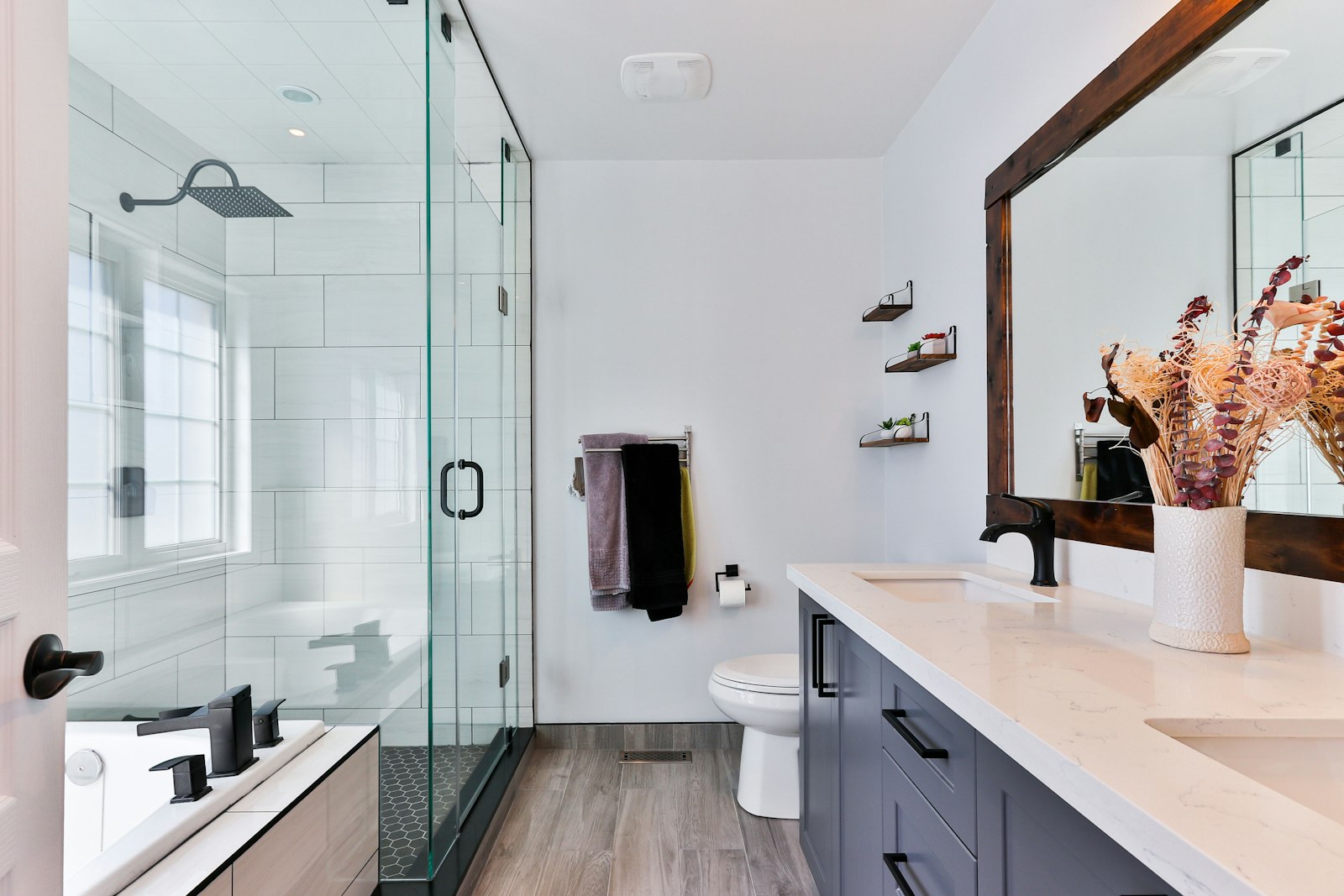
Evaluating your home's suitability for aging in place requires honest assessment of its physical characteristics. Single-story homes or those with main-floor master suites eliminate stair climbing. Wide doorways accommodate mobility devices if needed. Bathroom configurations matter significantly, as many falls occur in bathrooms. Consider whether modifications like grab bars, walk-in showers, and raised toilets could be easily installed.
Financial considerations for aging in place extend beyond your mortgage payment. Maintenance responsibilities remain yours, and these costs often increase as homes age alongside their owners. Property taxes continue regardless of income changes. Utilities, insurance, and repair costs factor into long-term affordability calculations. Ensure your retirement income comfortably covers all these ongoing expenses.
Home modifications can transform your current residence into a more age-friendly environment. Ramps, stairlifts, bathroom renovations, and improved lighting enhance safety and accessibility. Technology additions like medical alert systems, smart home devices, and video doorbells provide security and connection. These modifications represent investments in your ability to remain independent.
Home care services supplement aging in place when additional help becomes necessary. In-home care ranges from occasional housekeeping assistance to full-time medical support. Starting with minimal help and increasing services as needed allows gradual adjustment. Many retirees successfully age in place with appropriate support services while maintaining their independence and dignity.
Selling your current home and moving to a smaller, more manageable property offers both financial and practical benefits. Downsizing frees up equity, reduces maintenance burdens, and often provides an opportunity to relocate to a more desirable area or climate.
Financial advantages of downsizing can be substantial. Selling a larger home and purchasing a smaller one often releases significant equity that can supplement retirement income. Lower property taxes, reduced utility costs, and decreased maintenance expenses improve monthly cash flow. These savings provide financial security and flexibility throughout retirement.
Choosing the right downsized home involves careful consideration of current and future needs. Single-story homes or condos with elevator access eliminate mobility concerns. Smaller yards reduce outdoor maintenance. Locations near medical facilities, shopping, and social activities support active lifestyles while ensuring necessary services remain accessible.
The emotional aspects of downsizing deserve acknowledgment. Leaving a longtime home means parting with memories, possessions, and familiar spaces. Allow time for this transition. Sort belongings thoughtfully, keeping what truly matters while releasing items that no longer serve your life. Many retirees discover that lighter living brings unexpected freedom and peace.
Timing your downsizing strategically can maximize benefits. Moving while fully healthy and active allows you to settle into your new home and community during good years. Waiting until health challenges force a move often results in stressful, rushed decisions. Consider downsizing proactively rather than reactively for the best outcomes.
Active Adult Communities for Social Connection
Active adult communities, also known as 55+ communities, cater specifically to older adults seeking social engagement, amenities, and low-maintenance living. These communities range from modest neighborhoods to resort-style developments with extensive facilities.
Lifestyle benefits distinguish active adult communities from traditional neighborhoods. Clubhouses, pools, fitness centers, golf courses, and activity rooms provide entertainment and social opportunities. Organized clubs, classes, and events foster friendships among neighbors sharing similar life stages. The built-in social infrastructure combats the isolation that sometimes accompanies retirement.
Maintenance-free living attracts many active adult community residents. Homeowner associations typically handle exterior maintenance, landscaping, and common area upkeep. This freedom from yard work and home exterior maintenance allows more time for enjoyable activities while ensuring properties remain well-maintained throughout the community.
Housing options within active adult communities vary widely. Single-family homes, townhouses, condominiums, and apartments accommodate different preferences and budgets. Some communities offer multiple housing types, allowing residents to transition between them as needs change without leaving their social network.
Financial structures require careful evaluation before committing to active adult community living. Purchase prices, HOA fees, and any additional assessments affect total cost of living. Compare these expenses against what you'd spend maintaining a traditional home. Some communities offer rental options for those preferring not to purchase.
Location matters significantly when selecting an active adult community. Consider proximity to family, medical facilities, airports, and cultural attractions. Climate preferences, cost of living in the area, and state tax policies all factor into the decision. Visit communities you're considering, ideally staying for several days to experience daily life before committing.
Independent Living Communities
Independent living communities provide housing and services designed for seniors who want to maintain independence while enjoying convenient amenities and social opportunities. These communities typically offer apartment-style living with optional services that make daily life easier.
Services commonly included or available in independent living communities include meals in community dining rooms, housekeeping, transportation, and organized activities. Some communities offer additional services like laundry, personal care assistance, and wellness programs for additional fees. This à la carte approach lets residents customize their experience.
Social engagement opportunities abound in independent living settings. Shared dining creates natural occasions for conversation and friendship. Activities calendars fill with fitness classes, educational programs, entertainment, and outings. Living among peers in similar life stages fosters community and reduces loneliness that can affect isolated seniors.
Monthly costs for independent living typically cover housing, utilities, and included services as an all-inclusive fee. This predictable expense simplifies budgeting compared to homeownership with its variable maintenance costs. Compare total monthly costs against what you currently spend on housing, utilities, food, and services to evaluate affordability.
Choosing between owning and renting in independent living depends on your financial situation and preferences. Some communities offer ownership options similar to condominiums. Others operate on rental models with no equity building but also no responsibility for market fluctuations. Each approach has advantages worth considering carefully.
Evaluating independent living communities requires looking beyond surface appeal. Tour multiple communities, eat meals in dining rooms, attend activities, and speak with current residents. Ask about staff turnover, financial stability, and what happens if your needs increase beyond what independent living provides. The best communities offer clear pathways to additional care if needed.
Continuing Care Retirement Communities
Continuing Care Retirement Communities, often called CCRCs or life plan communities, offer a comprehensive solution that spans the full range of care levels. Residents typically enter while independent and can transition to assisted living or skilled nursing care within the same community as needs change.
The continuum of care model provides significant peace of mind. Knowing that increased care is available without relocating reduces stress for both residents and their families. Couples can remain in the same community even if they need different care levels. This continuity preserves social connections and familiar surroundings during potentially difficult transitions.
Financial structures for CCRCs vary considerably. Entrance fees range from modest amounts to substantial sums in the hundreds of thousands of dollars. Monthly fees cover housing and services with potential increases as care needs rise. Some contracts offer refundable entrance fees while others do not. Understanding the specific financial model of any CCRC you consider is essential.
Contract types in CCRCs include life care contracts, modified contracts, and fee-for-service arrangements. Life care contracts typically involve higher entrance fees but guarantee access to higher levels of care at little or no additional cost. Modified and fee-for-service contracts usually have lower entrance fees but require additional payment for increased care services. Evaluate which structure best matches your financial situation and risk tolerance.
Quality varies significantly among CCRCs, making thorough research essential. Investigate the community's financial health, as some CCRCs have faced financial difficulties. Review state inspection reports for any healthcare components. Speak with residents and family members about their experiences. Consider having an attorney review contracts before signing.
CCRC living suits retirees who value security and planning for future needs. The ability to age in one community, with care available as needed, appeals to those who prefer settled arrangements. However, the financial commitment and contractual complexity make CCRCs unsuitable for everyone. Careful evaluation determines whether this option matches your priorities and resources.
Assisted Living for Supportive Care
Assisted living bridges the gap between independent living and nursing home care, providing help with daily activities while maintaining resident independence and dignity. This option suits retirees who need regular assistance but don't require continuous skilled nursing care.
Services in assisted living typically include help with activities of daily living such as bathing, dressing, and medication management. Meals, housekeeping, and laundry services are standard. Social activities and transportation are usually provided. Staff is available around the clock for assistance and emergencies.
Living accommodations range from private apartments to shared rooms, depending on the community and personal preference. Most assisted living residences allow residents to furnish their spaces with personal belongings, creating homelike environments. Some communities offer varying apartment sizes to accommodate different needs and budgets.
Costs for assisted living vary by location, accommodation type, and level of care needed. Monthly fees typically range from several thousand to over ten thousand dollars. Some communities charge base rates plus fees for specific services, while others offer all-inclusive pricing. Long-term care insurance, veterans benefits, and some state programs may help cover costs for qualified individuals.
Choosing assisted living involves balancing care needs with desires for independence. Visit communities at different times to observe staffing levels and resident engagement. Ask about staff training, turnover rates, and how care plans are developed and updated. Speak with current residents and families about their experiences.
Memory Care for Cognitive Support
Memory care communities provide specialized environments for individuals with Alzheimer's disease, dementia, and other cognitive impairments. These secure settings offer programming and care tailored to the unique needs of those experiencing memory loss.
Security features distinguish memory care from other housing options. Secured entrances and exits prevent wandering, a common and dangerous behavior in those with dementia. Enclosed outdoor spaces allow safe enjoyment of fresh air and nature. Layout designs minimize confusion and promote orientation.
Specialized programming in memory care focuses on maintaining cognitive function and quality of life. Activities adapt to participants' abilities, providing engagement without frustration. Staff training emphasizes dementia-specific communication techniques and behavior management. The goal is preserving dignity while meeting complex care needs.
Costs for memory care typically exceed other senior living options due to the intensive staffing and specialized environment required. Monthly fees vary widely but often range from six thousand to twelve thousand dollars or more. Few insurance programs cover memory care costs, making financial planning essential for families facing these decisions.
Deciding when memory care becomes necessary challenges many families. Signs that home care or assisted living may no longer suffice include safety concerns from wandering, significant sleep disturbances, aggressive behaviors, or care needs that overwhelm available support. Geriatric care managers and physicians can help families evaluate options and timing.
Alternative and Emerging Housing Options
Beyond traditional retirement housing categories, creative alternatives address specific preferences and circumstances. These options suit retirees seeking unconventional paths that align with their values and lifestyles.
Cohousing communities bring together individuals who want to combine private homes with shared spaces and collaborative living. Residents typically own their own units while participating in community decisions and activities. This model fosters social connection while maintaining independence and can work well for active retirees who value community involvement.
Multi-generational living arrangements have increased as families recognize benefits of proximity across generations. Granny flats, in-law suites, and multi-unit properties allow families to live near each other while maintaining separate spaces. This arrangement provides support systems while allowing independence.
Village models help retirees age in place by connecting them with services, social activities, and volunteer support within their existing neighborhoods. Members pay annual fees for access to vetted service providers, transportation assistance, social programs, and daily check-ins. This grassroots approach keeps people in their homes longer.
Lifestyle-focused communities cater to specific interests, from golf and boating to artistic pursuits and spiritual practices. These niche communities attract like-minded individuals who share passions, creating instant social networks based on common interests. For retirees with strong hobby commitments, these communities offer ideal environments.
International retirement destinations attract adventurous retirees seeking lower costs of living, favorable climates, or cultural experiences. Countries with established expatriate communities offer support systems for English-speaking retirees. However, international moves require careful consideration of healthcare access, visa requirements, financial logistics, and distance from family.
Making Your Retirement Housing Decision
Selecting retirement housing requires balancing multiple factors including health, finances, social needs, and personal preferences. No single option suits everyone, and the best choice depends on your unique circumstances and priorities.
Start your planning early, ideally years before retirement. Early planning allows thorough research, financial preparation, and the luxury of choosing rather than reacting to crises. Visit various housing options while healthy to make informed decisions rather than rushed ones during health emergencies.
Involve family members in your planning process. Their perspectives may reveal considerations you haven't thought of. Discussing your plans also helps family understand your wishes and reduces potential conflicts later. However, remember that the final decision is yours to make.
Consider consulting professionals who specialize in senior housing options. Geriatric care managers, senior housing advisors, and elder law attorneys provide expert guidance through complex decisions. Their knowledge of local options and industry practices can prove invaluable.
Remain flexible as circumstances change. The housing choice that works perfectly at sixty-five may not suit you at eighty-five. Build flexibility into your plans, considering how you might transition between housing options as needs evolve. The goal is maintaining quality of life throughout retirement, adapting as necessary while staying true to your values and preferences.
March 12, 2026
14 min read
Topfind Realty, DRE # 02240815, is a licensed real estate broker in California. Topfind Realty pledges to support the Fair Housing Act and adhere to Equal Housing Opportunity laws.